
Mechanical Measurements of Biomedical Devices

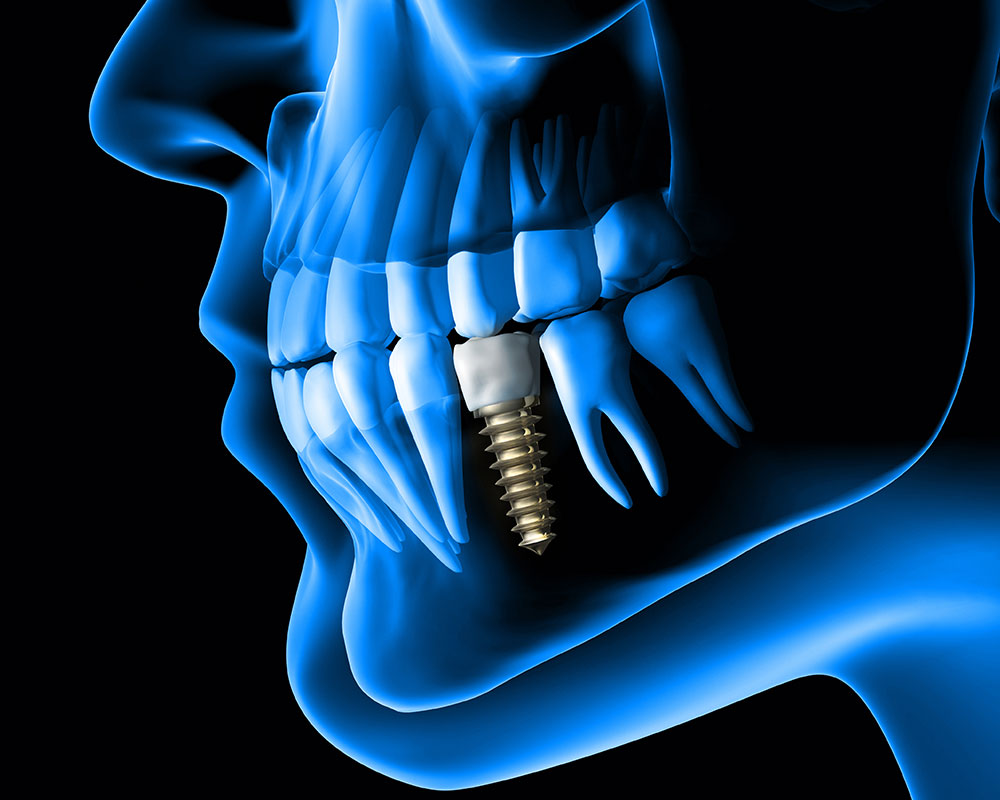
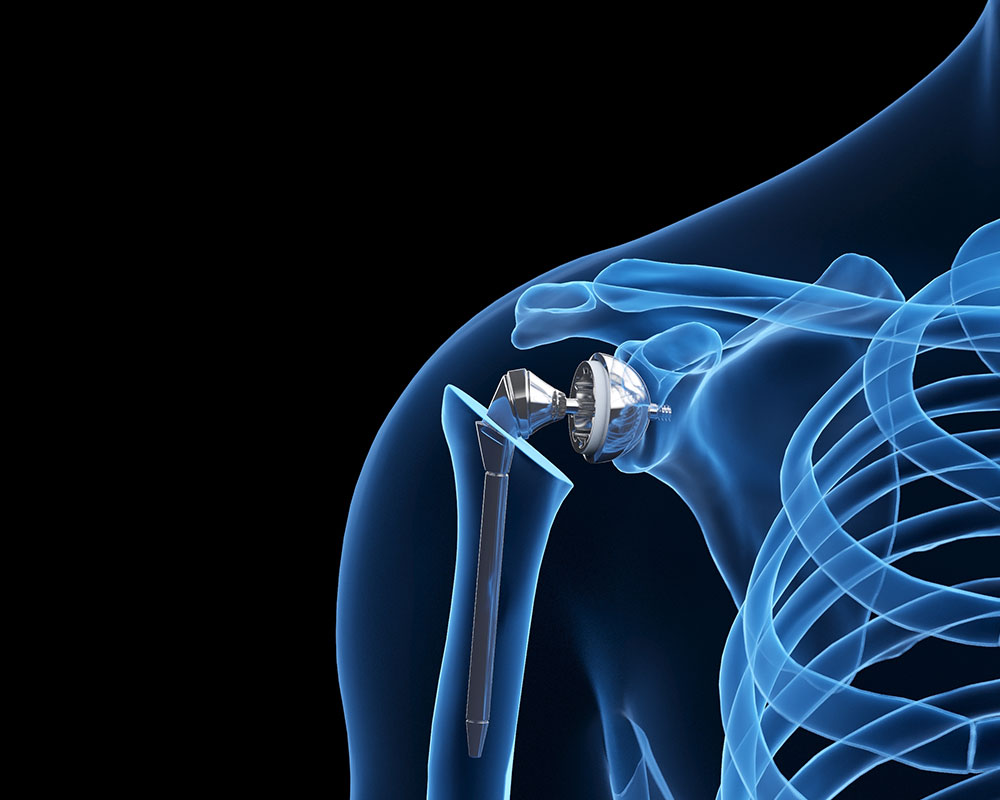
The measurement of mechanical properties in biomedical devices is a crucial factor for ensuring long-term reliability, safety, and functionality. For implantable prostheses and advanced medical devices intended for hospitals, clinics, and research centers in the United Arab Emirates or the Middle East, it is essential that materials withstand repeated stress, biomechanical loads, and extreme physiological conditions.
Measurement Of Mechanical Properties in Biomedical Devices
All mechanical testing is carried out at our laboratory in Italy in accordance with international ISO and ASTM standards, ensuring reliable, traceable results that meet global regulatory requirements, including those of the healthcare sectors in the United Arab Emirates and the Middle East:
- Hardness testing: Conducted using the Vickers scale in accordance with ISO 6507-1.
- Tensile testing: Assessment of yield strength, tensile strength, and elongation at break, conducted in accordance with ISO 6892-1 or ASTM E8/E8M.
These advanced tests enable manufacturers and biomedical laboratories in the United Arab Emirates and the Middle East to ensure that every implantable device meets the highest standards of safety, mechanical performance, and long-term durability.
Contact Us for More Information on Mechanical Measurements of Biomedical Devices
If you are looking for a laboratory specializing in mechanical measurements of biomedical devices in the United Arab Emirates and the Middle East, AMA L.L.C. Middle East is the ideal partner. Our APM laboratory in Italy offers Vickers hardness testing compliant with ISO 6507-1 on implantable devices and biomedical alloys, ensuring accurate and reliable results. We also perform tensile testing and yield strength measurements in accordance with ISO 6892-1 and ASTM E8/E8M, essential parameters for ensuring the safety and optimal performance of orthopedic prostheses, dental implants, and other advanced medical devices intended for the United Arab Emirates and Middle East markets.
Our laboratory also evaluates unit tensile strength and elongation at break, essential parameters for ensuring the durability and resistance of biomedical devices subjected to repeated loading, flexing, and biomechanical stress. By relying on AMA L.L.C. Middle East, you can count on precise results, compliant with international ISO and ASTM standards, fully traceable and valid for the healthcare market in the United Arab Emirates and the Middle East. Request dedicated technical consulting or a personalized quote today for the mechanical measurements of your biomedical devices in the United Arab Emirates and the Middle East.
.
MATERIAL HARDNESS
Material hardness is a fundamental mechanical property for evaluating implantable devices, such as orthopedic prostheses, dental implants, or advanced biomedical instruments, intended for the United Arab Emirates and Middle East markets. Hardness defines a material’s resistance to permanent deformation under load, ensuring that the device remains intact during clinical use.
The Vickers test, performed at our laboratory in Italy in accordance with ISO 6507-1, uses a diamond pyramid pressed onto the sample’s surface with a calibrated force. This technique provides ultra-precise measurements, allowing us to determine whether the implant possesses the necessary resistance to wear, fatigue, and mechanical pressure experienced during daily physiological activity. Given the high-quality standards required, this validation is essential for ensuring the long-term safety of patients.
YIELD STRENGTH
Yield strength is a parameter that indicates the point at which a material — such as a metal alloy used in prostheses or implantable devices — begins to undergo permanent plastic deformation under stress. This property is essential for device safety: insufficient yield strength could lead to deformation or structural failure of the implant.
Through our specialized laboratory in Italy, we perform high-precision tensile testing to determine the yield strength of biomedical materials. This ensures reliable devices that are fully compliant with ISO and ASTM standards, essential requirements for hospitals, clinics, and research centers.
TENSILE STRENGTH
Tensile strength represents the maximum force a material can withstand before breaking. Measuring this parameter is essential for determining the durability of orthopedic prostheses, dental implants, and other implantable devices intended for the Dubai and UAE biomedical market.
Performed at our center of excellence in Italy, this test establishes the material’s ability to withstand extreme and continuous stress. It ensures safe, high-performing devices for patients and healthcare facilities, meeting the rigorous mechanical requirements set out by international medical regulations.
ELONGATION AT BREAK
Elongation at break indicates how much a material can stretch before breaking, providing insight into the plasticity and resilience of implantable devices. Optimal elongation is essential for prostheses and biomedical implants that must withstand flexing, compression, and repeated loading without risk of fracture.
Precisely measuring this parameter is essential for ensuring the quality and safety of biomedical devices intended for the United Arab Emirates and internationally regulated markets.